
Halal food is often misunderstood as a monolithic or uniform concept. While its core principles—avoiding prohibited substances like pork and alcohol, humane animal slaughter, and ethical sourcing—remain constant, its culinary expressions vary dramatically across the globe. From the bustling markets of Marrakech to the home kitchens of Jakarta, halal traditions adapt, evolve, and flourish within each unique cultural setting.
This blog explores how diverse Muslim communities have embraced halal in ways that are both faithful and flavorful.
The Unchanging Core: What Makes Food Halal?
Before diving into cultural variety, it’s essential to revisit the fundamentals of halal:
-
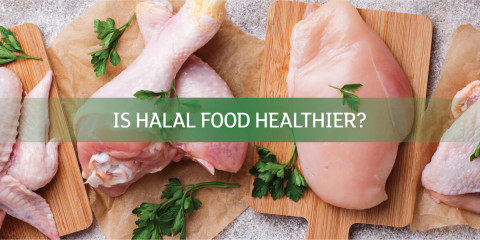
Animals must be healthy at the time of slaughter.
-
Slaughter must be done by a sane adult Muslim, invoking the name of God.
-
The blood must be fully drained.
-
Food must be free from contamination with haram (forbidden) substances like pork, alcohol, or improperly earned income.
These principles form the bedrock, but around them, flavors, ingredients, and techniques blossom differently depending on where you are in the world.
1. North Africa: Fragrance and Faith
In countries like Morocco, Algeria, and Tunisia, halal food is seamlessly blended with Berber, Arab, and Mediterranean influences.
Key dishes:
-
Tagine: A slow-cooked stew of halal lamb or chicken, often with dried fruits and spices like cinnamon and saffron.
-
Merguez: Spicy lamb sausages made without any non-halal casings or alcohol-based marinades.
Even street food vendors strictly observe halal principles, with religious phrases like “Bismillah” often said aloud during food preparation.
2. South Asia: Spice and Spirituality
In Pakistan, India (among Muslims), and Bangladesh, halal cuisine is rich, spicy, and often communal.
Key dishes:
-
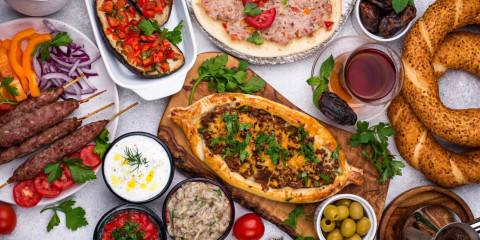
Biryani: Aromatic rice layered with halal meat, infused with cardamom, cloves, and ghee.
-
Seekh kebabs and nihari: Prepared in accordance with halal slaughter and often served during Eid or Friday gatherings.
Despite religious diversity, Muslim communities maintain strict halal adherence, even in mixed-marketplaces, with halal certification now becoming more formalized in urban centers.
3. Southeast Asia: Harmony in Halal
Countries like Indonesia and Malaysia are home to the largest Muslim populations globally. Here, halal is not just dietary law—it’s part of national identity.
Key dishes:
-
Rendang: Spiced beef cooked in coconut milk—halal and traditional.
-
Satay: Grilled skewers of halal meat with peanut sauce, found in roadside stalls and luxury restaurants alike.
Malaysia’s JAKIM (Department of Islamic Development) has become a global authority on halal certification, setting a standard many other nations follow.
4. Middle East: Halal as Heritage
In Saudi Arabia, Egypt, Jordan, and the UAE, halal is so deeply ingrained that food is naturally compliant with Islamic law.
Key dishes:
-
Kebabs, shawarma, and kofta: Made with halal beef or lamb, often grilled over open flames.
-
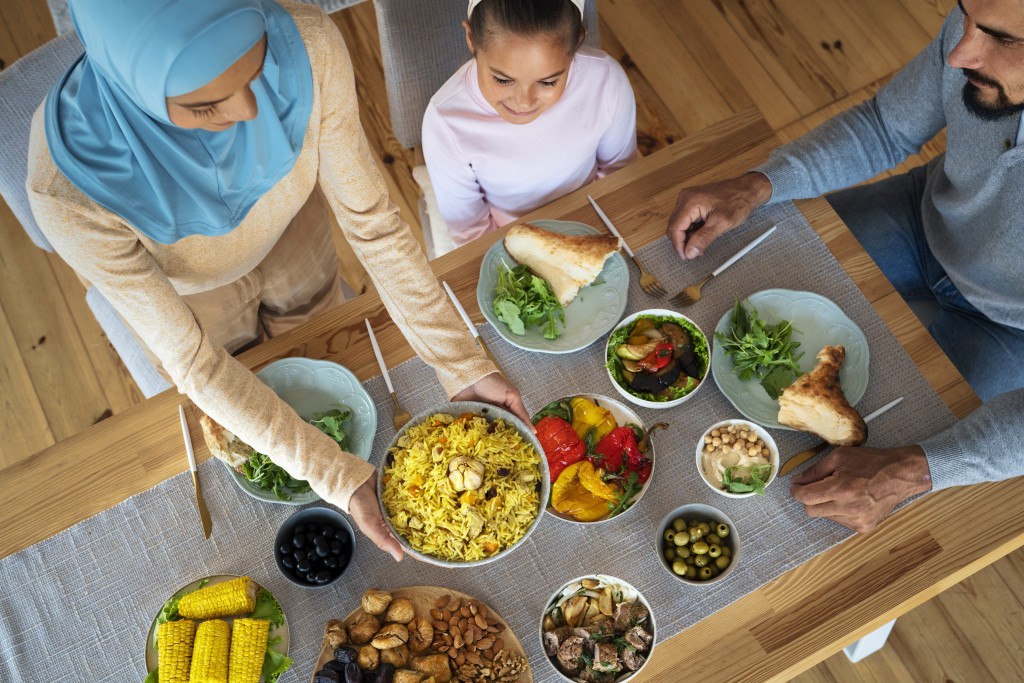
Stuffed grape leaves and kushari: Vegetarian halal staples infused with cultural history.
In these regions, halal goes beyond meat—it governs the full experience of eating, from hospitality to intention (niyyah).
5. The West: Navigating New Frontiers
In Europe, North America, and Australia, halal traditions are adapting to multicultural landscapes and modern challenges.
Key developments:
-
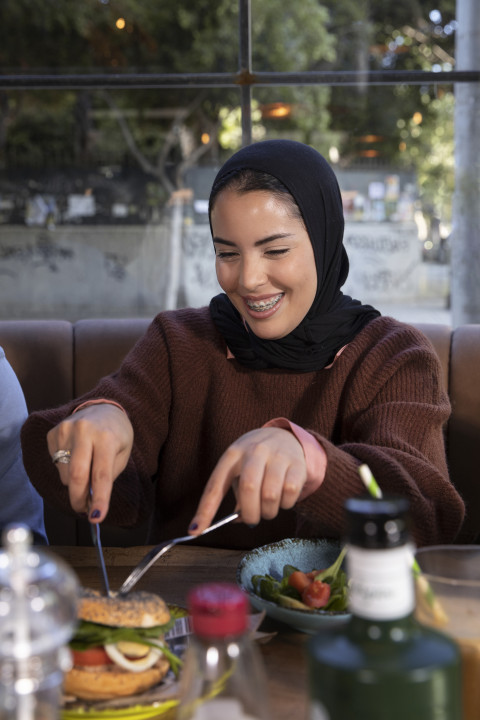
Halal versions of fast food: Burgers, fried chicken, and even plant-based meat substitutes.
-
Fusion dishes: Halal sushi, tacos, and Korean BBQ adapted with compliant ingredients.
-
Halal butcher shops and apps: Tech-enabled solutions to help Muslims navigate food options in non-Muslim-majority countries.
For many young Muslims, eating halal is also an expression of identity and pride, not just obligation.