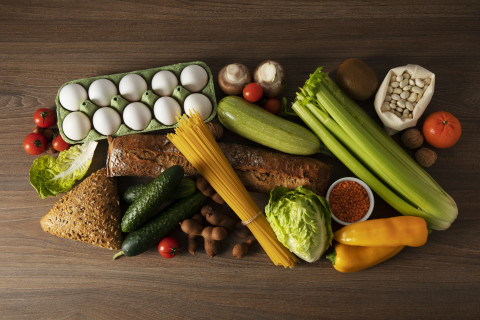


Switching to a vegan diet is a powerful choice for your health, the planet, and animal welfare. But to thrive on a plant-based lifestyle, it’s important to be mindful of certain nutrients that can be harder to get without animal products. Don’t worry—eating a well-balanced vegan diet is totally achievable with a little knowledge and smart planning. Here’s your guide to the essential nutrients and where to find them.
1. Protein
Why it matters: Needed for muscle repair, hormones, and a strong immune system.
Top sources: Lentils, chickpeas, tofu, tempeh, edamame, quinoa, seitan, nuts, seeds, and soy milk.
Tip: Mix up your protein sources to get a variety of amino acids.
2. Vitamin B12
Why it matters: Supports brain function and red blood cell formation—only found naturally in animal products.
Top sources: Fortified plant milks, nutritional yeast, fortified cereals, and B12 supplements.
Tip: Take a reliable B12 supplement regularly.
3. Iron
Why it matters: Helps carry oxygen in the blood; low levels can cause fatigue.
Top sources: Lentils, tofu, spinach, chickpeas, quinoa, pumpkin seeds, and fortified cereals.
Tip: Pair iron-rich foods with vitamin C (like citrus or tomatoes) to boost absorption.
4. Calcium
Why it matters: Important for bones, muscles, and nerves.
Top sources: Fortified plant-based milks and juices, tofu made with calcium sulfate, leafy greens (kale, bok choy), almonds, and tahini.
Tip: Check labels for calcium-fortified products.
5. Vitamin D
Why it matters: Works with calcium to maintain strong bones and immune function.
Top sources: Fortified plant milks, mushrooms exposed to sunlight, and supplements (especially D2 or vegan D3).
Tip: Consider a supplement if you get little sun exposure.
6. Omega-3 Fatty Acids
Why it matters: Supports heart and brain health.
Top sources: Flaxseeds, chia seeds, walnuts, hemp seeds, and algae-based omega-3 supplements.
Tip: Use ground flaxseed or chia daily in smoothies or oatmeal.
7. Zinc & Iodine
-
Zinc: Found in legumes, seeds, nuts, whole grains.
-
Iodine: Found in iodized salt and sea vegetables like seaweed (but don’t overdo it).
Tip: If unsure about intake, consider a multivitamin that includes both.