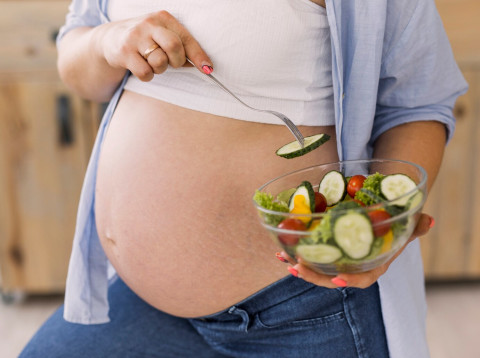


Eating well during pregnancy isn’t just about eating more—it’s about eating smart. Your growing baby depends on a steady supply of essential nutrients to develop properly, and your body needs extra support to keep up with the changes. Here’s a guide to the most important nutrients during pregnancy—and the best foods to get them from.
1. Folic Acid (Folate)
Why it matters: Crucial for preventing neural tube defects in the baby’s brain and spine, especially in the first trimester.
Top sources: Leafy greens (like spinach), citrus fruits, lentils, beans, fortified cereals, and prenatal vitamins.
2. Iron
Why it matters: Supports the increased blood volume needed during pregnancy and helps deliver oxygen to your baby.
Top sources: Lean red meat, chicken, fish, fortified grains, lentils, and spinach. Pair with vitamin C-rich foods (like oranges or bell peppers) to boost absorption.
3. Calcium
Why it matters: Helps build your baby’s bones, teeth, and heart. If you don’t get enough, your body will draw it from your bones.
Top sources: Dairy (milk, cheese, yogurt), fortified plant milks, leafy greens, and almonds.
4. Vitamin D
Why it matters: Works with calcium to build strong bones and a healthy immune system.
Top sources: Fortified milk or cereals, eggs, fatty fish (like salmon), and safe sun exposure.
5. DHA (Omega-3 Fatty Acid)
Why it matters: Essential for baby’s brain and eye development.
Top sources: Fatty fish (low in mercury, like salmon and sardines), chia seeds, flaxseeds, walnuts, and DHA-enriched eggs.
6. Protein
Why it matters: Supports your baby’s growth, especially in the second and third trimesters.
Top sources: Eggs, lean meats, poultry, tofu, beans, legumes, nuts, and dairy products.
7. Fiber
Why it matters: Helps prevent constipation, which is common during pregnancy.
Top sources: Whole grains, fruits, vegetables, beans, and oats.
Smart Tips for a Balanced Pregnancy Diet
-
Eat small, frequent meals to manage nausea and energy levels.
-
Stay hydrated with plenty of water.
-
Choose whole, unprocessed foods whenever possible.
-
Take a prenatal vitamin daily, as recommended by your doctor.