
In today’s fast-paced and interconnected world, consumers are more informed and selective about their food choices than ever before. This is especially true for halal food consumers, who seek products that not only meet religious requirements but also align with modern values like health, sustainability, and transparency. Fortunately, advancements in halal food technology are rising to meet these demands, transforming the industry in exciting ways.
Digital Marketplaces and E-Commerce
Modern halal consumers expect convenience and accessibility. Digital platforms and e-commerce stores specializing in halal products allow buyers to browse, compare, and order authentic halal food from anywhere in the world. These platforms often include customer reviews, ingredient transparency, and halal certification details, helping consumers make informed choices quickly.
AI-Driven Quality Control and Traceability
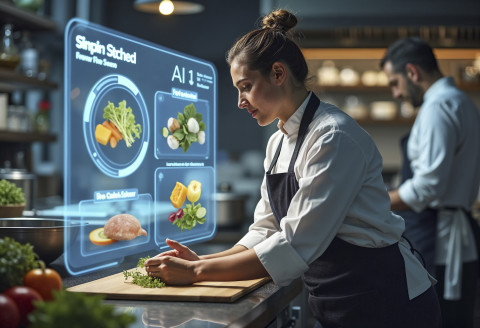
Artificial Intelligence (AI) and machine learning are being deployed to enhance halal food safety and quality. From monitoring ingredient purity to analyzing supply chain data, AI helps producers ensure that every product meets strict halal standards. Advanced traceability systems provide real-time updates on food origins, processing, and handling, building consumer confidence.
Smart Packaging for Freshness and Safety
Tech-enabled packaging solutions are revolutionizing how halal food stays fresh and safe. Smart labels can monitor temperature, humidity, and expiration dates, alerting both retailers and consumers to potential spoilage. This reduces food waste and guarantees that halal products reach the table in optimal condition.
Lab-Grown Meat and Alternative Proteins
Halal food tech is also innovating the way protein is produced. Lab-grown meat and plant-based alternatives offer sustainable and ethical options that cater to health-conscious consumers without compromising halal compliance. As these technologies evolve, they promise to expand halal food choices while reducing environmental impact.
Blockchain for Halal Certification
Blockchain technology is enhancing transparency by securely recording every step of the halal certification process. Consumers can scan QR codes to verify the authenticity and halal status of their food, reducing fraud and building trust in the supply chain.
Meeting Consumer Expectations in a New Era
As halal consumers demand more than just religious compliance, halal food tech is providing solutions that meet broader expectations: health, sustainability, convenience, and trustworthiness. These technological advances are helping the halal food industry stay relevant, innovative, and consumer-focused in a rapidly changing marketplace.