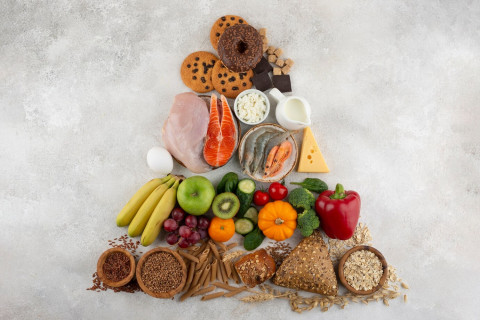


Ever grabbed something from the grocery shelf that looked “healthy” — only to find out later it was loaded with sugar or sodium? You’re not alone. Understanding nutrition labels is a powerful skill that helps you take control of what you’re really eating. Here’s how to decode those labels like a pro — quickly and confidently.
1. Start with the Serving Size
Always check this first. All the nutrition facts listed are based on one serving, not the whole package. A bag of chips may say 150 calories — but if there are 3 servings inside, that’s 450 calories total if you eat the whole thing.
2. Check Calories — But Don’t Obsess
Calories are just one part of the picture. Focus on where they come from — are they nutrient-rich (like from nuts or whole grains), or empty (like from sugar or refined oils)?
3. Watch Out for Sodium & Added Sugars
Too much sodium can raise blood pressure, and added sugars can sneak into “healthy” foods like granola or yogurt. Aim for:
-
Sodium: Less than 140mg per serving = low
-
Added sugar: Less than 5g per serving is a good rule of thumb
4. Understand Fats: The Good vs. The Bad
-
Saturated fats should be limited
-
Trans fats? Avoid them altogether
-
Look for healthier fats from sources like olive oil, nuts, and seeds
5. Look for Fiber & Protein
Fiber and protein help keep you full longer. Choose products with at least 3–5g of fiber and a decent protein boost, especially in snacks or meal replacements.
6. Read the Ingredients List
If the ingredient list is a mile long or filled with things you can’t pronounce, it’s probably ultra-processed. Ingredients are listed by quantity — the first few make up most of the product. Look for whole food-based ingredients first.
Pro Tip: “Healthy” Labels Can Be Misleading
Words like “natural,” “low-fat,” or “gluten-free” don’t always mean healthier. Always flip the package and check the facts.