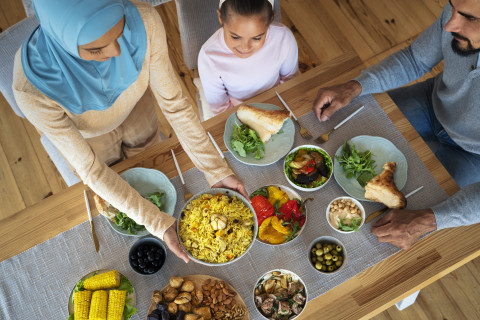

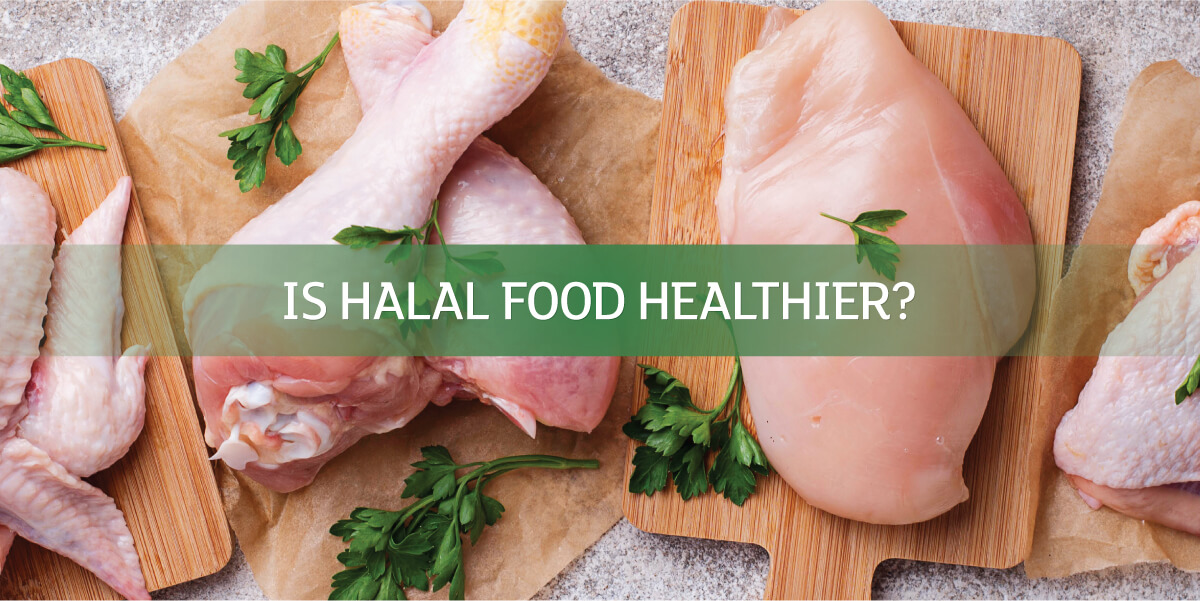
A lot of people are wondering, ‘is halal food healthy?’ now that more people are eating healthy and getting their food from ethical sources. Halal food is based on Islamic dietary laws, but it is now popular with people from all over the world, regardless of culture or religion. More non-Muslim customers are looking for halal Chinese food and halal Mexican food because they think halal is cleaner, more humane, and maybe even healthier.
In this blog post, we’ll talk about the health, moral, and nutritional benefits of halal food. We’ll also talk about how halal practices have spread to popular foods like halal Chinese food and halal Mexican food, making healthy eating a global thing.
What Is Meant by “Halal”?
In Arabic, “halal” means “permissible,” and it refers to anything that follows Islamic law.
This mostly has to do with how animals are raised, treated, and killed when it comes to food. For meat to be halal, the animal must be healthy and free of disease. A Muslim must kill it while saying the name of God. The blood must be completely drained from the veins, and it must not be mixed with things that are not halal, like pork or alcohol.
Many people wonder ‘is halal food healthy?’ by design because of these strict rules.
Benefits of Halal Meat for Nutrition
Many people believe that halal meat is a cleaner source of protein. Higher-quality meat is a result of the animal’s plant-based diet, careful blood draining, and avoidance of hormones and antibiotics. So, is halal food healthy compared to conventional meat?
Experts claim that removing blood lowers the possibility of microbial contamination, extending the meat’s shelf life. Additionally, halal meat is typically leaner and higher in important nutrients like B vitamins and iron.
You might be eating meat that is subject to higher standards of cleanliness and welfare when you eat halal Chinese food or halal Mexican food, in addition to the flavor.
The Significance of Halal and Hormone-Free
The use of antibiotics and growth hormones in livestock is one of the issues in the food industry that is frequently disregarded. These have the ability to enter the human body and impact hormone levels, antibiotic resistance, and general health.
The use of such substances is forbidden by halal standards. This makes halal cuisine compatible with the clean eating movement. Therefore, if you’re still wondering is halal food healthy, think about this: Many of the undesirable chemicals used in industrial farming are eliminated by halal regulations.
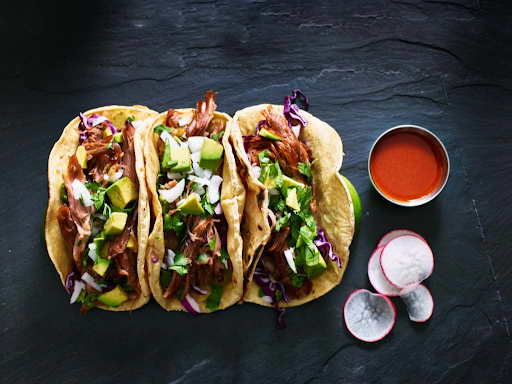
This is especially important in dishes like halal Mexican food, which frequently uses chicken and beef in stews, tacos, and burritos. Selecting halal varieties guarantees that the meat you purchase is cleaner.
Humane and Health-Centered Halal Slaughter
Animal welfare is a public health issue as well as a religious one. When animals are frightened or mistreated, stress hormones like cortisol are released. Meat quality may be impacted by these hormones.
Animals used in halal slaughter must be handled humanely, killed quickly, and with as little suffering as possible. The outcome? Meat from ethical sources that tastes better and contains fewer toxins brought on by stress.
In order to demonstrate healthier, more ethical eating habits as well as religious observance, restaurants serving halal Chinese food or halal Mexican food frequently highlight their sourcing methods.
Beyond Meat: Is Halal Food Healthy?
Although the majority of attention is focused on halal meat, halal food is more than just meat.
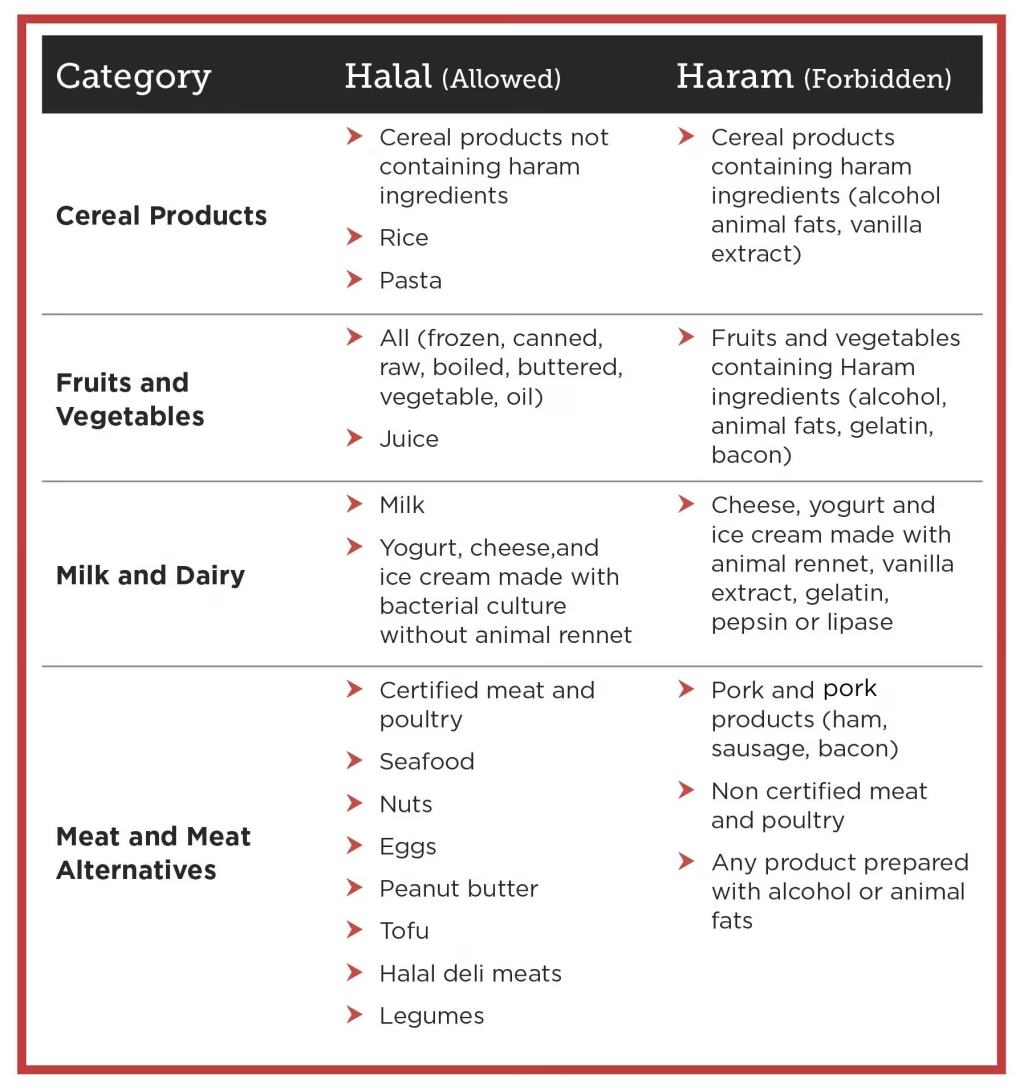
- Food cannot contain alcohol or other intoxicants in order to be considered halal.
- Pork or its byproducts, such as gelatin
- Contamination by non-halal materials
So generally, is halal food healthy? Yes, since these limitations inevitably exclude a large number of processed and overly fatty food ingredients. Halal certifications ensure safer preparation and cleaner labels.
This becomes especially interesting in fusion cuisine. For instance, leaner proteins may be used in halal Chinese food, or rice wine may be replaced with halal-friendly sauces. Similarly, lard, which is commonly used in refried beans, and non-halal gelatin in desserts are prohibited in halal Mexican food.
Spiritual Health and Halal Food
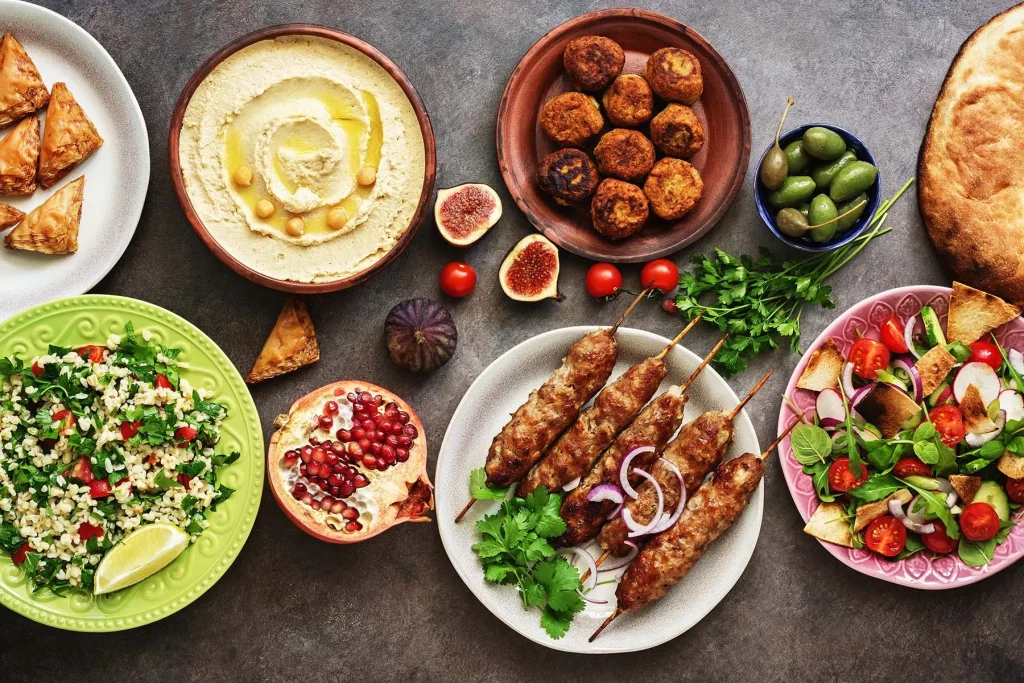
For Muslims, eating halal is a physical and spiritual rite. They feel at ease knowing that the food they consume aligns with their beliefs. Two advantages of this spiritual alignment are stress reduction and mindful eating.
Even non-Muslim customers may feel more at ease knowing that halal food is ethically sourced and prepared. This is just one more indication that not only eating halal food is healthy but also emotionally stable.
Popular Halal Options: Chinese and Mexican Foods
Let’s discuss how halal principles have been incorporated into commonplace dishes like halal Mexican food and halal Chinese food.
Halal Chinese Food: A Tasty Blend
It may surprise you to learn that there is a whole world of halal Chinese food. These dishes, which range from Mongolian beef without wine-based sauces to halal kung pao chicken, are flavorful and still adhere to dietary restrictions.
The final product is frequently leaner and cleaner because the meat is carefully sourced and blood-drained. When carefully modified, halal Chinese food can cut down on the additives, sodium, and MSG that are frequently found in fast food versions of these dishes.
Halal Mexican Food: Strong and Nutritious
Let’s now discuss tacos, burritos, and enchiladas, halal Mexican food is becoming increasingly popular both domestically and internationally. Halal versions of Mexican dishes become much cleaner by substituting halal beef or chicken for pork and using olive oil rather than lard.
Halal Mexican food formats offer healthier versions of even traditional street foods like chicken fajitas and carne asada. Additionally, purchasing from butchers with halal certification guarantees that the meat is ethically slaughtered, fresh, and devoid of undesirable chemicals.
The Reasons Behind the Halal Choice of Non-Muslims
Beyond religious requirements, there is a growing demand for halal food. Even if I’m not Muslim, more people are starting to inquire: is halal food healthy. For many, the answer is yes.
The following explains why halal is becoming more popular among health-conscious consumers:
- Cleaner ingredient lists
- Less processed preparation
- No blood, hormones, or antibiotics
- Ethical animal care
- Verified certification and regulation
Foods like halal Mexican food and halal Chinese food provide taste without sacrificing quality. You can maintain your wellness objectives while still indulging in your favorite takeaway.
Sustainability, Local Impact, and Halal Food
Selecting halal cuisine can also help to support sustainable farming methods, family-run eateries, and nearby halal butchers. The following are highlighted by halal principles:
- Environmental responsibility
- Economic justice and fair pricing
- Humane treatment of animals
Whether you choose to eat halal Mexican food at a community food truck or halal Chinese food on a weeknight, your decision has an impact that promotes healthier lifestyles and improved food systems.
The Future of: Is Halal Food Healthy?
As food culture evolves, halal is gaining popularity as a lifestyle choice that promotes modern health ideals as well as a religious requirement. As food sourcing has become more transparent, more people are curious about what’s in their meals, how animals are treated, and whether their food complies with ethical and environmental standards. In light of this, it makes sense that people would want to know is halal food healthy and if it can support a long-term wellness program.
The answer is increasingly in the affirmative. Whether you’re cooking at home or getting takeout, adding halal Chinese food and halal Mexican food to your weekly rotation can enhance flavor and comfort.
When prepared using halal techniques, these cuisines can be more nutrient-dense, easier on the stomach, and sourced more sustainably than many processed alternatives.
Even if it is not mandated by their religion, health-conscious diners are now actively searching for halal options due to the stringent requirements for halal certification. Halal food is healthy in theory and in actuality because it contains clean proteins, fresh spices, balanced portions, and few additives.
Globally speaking, the halal food movement is promoting improved business practices throughout the food supply chain. It supports small halal butchers, empowers local restaurants to offer new inclusive menus, and promotes greater food safety and accountability.
You’re participating in a food revolution that is more conscientious, healthier, and closely in line with local values, whether you’re eating tacos from your favorite halal Mexican food truck, savory halal Chinese food, or a hot plate of halal biryani.
You’ll know that halal food is more than just healthy the next time someone asks, “Is halal food healthy?” It is comprehensive.
In Conclusion: Is Halal Food Healthy?
After all of this research, let’s go back to the main query: is halal food healthy?
Indeed, and in many different ways. Because of its hormone-free meat, ethical sourcing, clean-label practices, and cultural mindfulness, halal food offers a powerful fusion of sustainability, spirituality, and health. Whether you’re enjoying a hot bowl of halal Chinese food or adding some spiciness with halal Mexican food, you can be sure that you’re selecting a meal that is both nourishing and delicious.
FAQs
Is halal meat more lean than regular meat?
Indeed, because halal meat is drained of blood and originates from animals fed cleaner, plant-based diets, it is frequently leaner.
Is it possible for non-Muslims to consume halal food?
Of course. Anyone looking for minimally processed, ethical, and clean food should try halal food.
Where can I get halal Mexican or Chinese food?