
in a world where borders blur and cultures mingle, food has become one of the most exciting spaces for creativity—and identity. For many Muslims, this evolution has taken the form of halal fusion cuisine: a vibrant culinary movement that merges global flavors while staying true to religious values. It’s not just about what’s on the plate—it’s about belonging, innovation, and spiritual integrity.
What is Halal Fusion Cuisine?
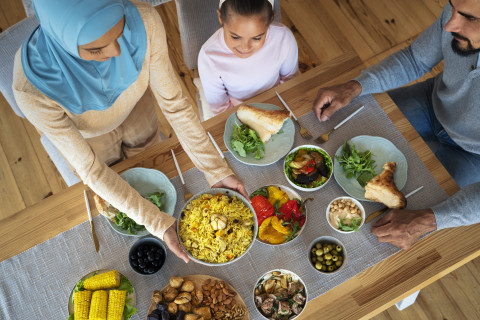
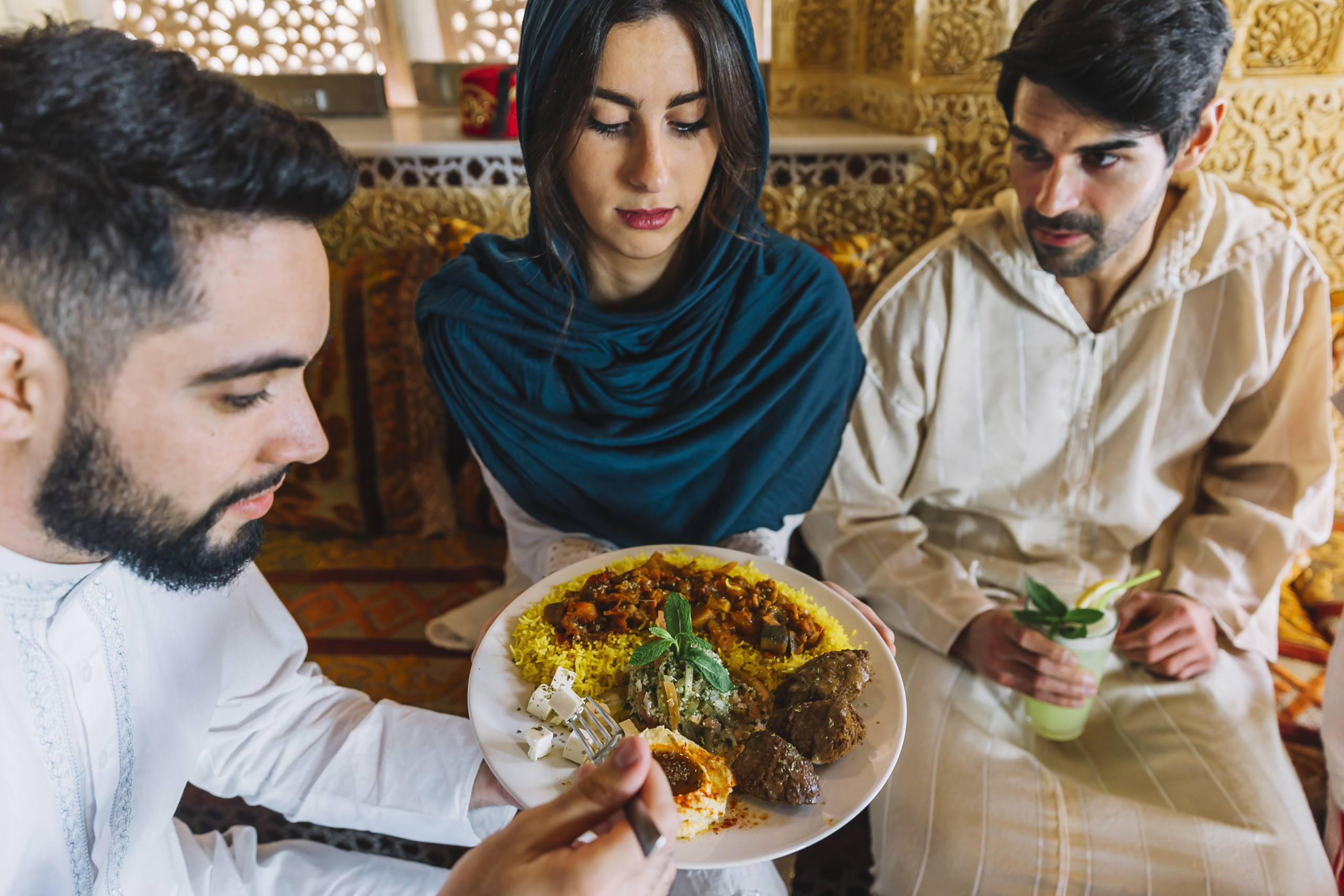
At its core, halal fusion cuisine is a blend of traditional halal dietary rules with the cooking styles, ingredients, or presentations of other global food cultures. Whether it’s a halal Philly cheesesteak with Pakistani spices or sushi rolls filled with shawarma, these dishes reflect the dual (or multi) identities of Muslims living in diverse environments.
This movement is especially driven by second-generation immigrants, young chefs, and Muslim foodies in the West who are honoring their heritage while embracing the cultural landscapes around them.
Why Fusion? The Faith Behind the Flavor
Fusion cuisine answers a very real need: representation. For years, Muslims in non-Muslim-majority countries had limited access to halal options at mainstream eateries. Rather than compromise their beliefs, they recreated iconic global dishes using halal-approved ingredients—and sometimes made them even better.
Spiritual Adherence Meets Innovation:
-
Pork is swapped out for turkey bacon or beef.
-
Alcohol-based sauces are replaced with vinegar, pomegranate molasses, or non-alcoholic alternatives.
-
Gelatin is sourced from halal-certified beef or plant-based substitutes.
The result? Dishes that honor both faith and flavor—without compromise.
Halal Fusion Around the World
1. United States & Canada
-
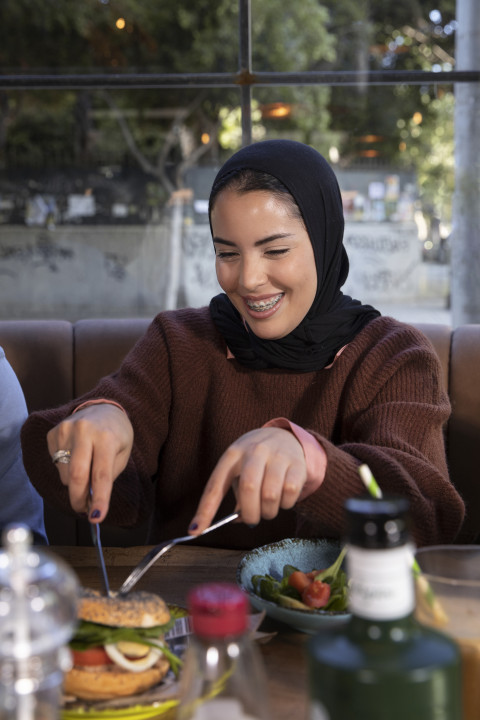
Halal Burgers: Topped with tandoori aioli or kimchi slaw.
-
Taco trucks: Offering halal brisket or lamb barbacoa.
-
Southern fried chicken: Marinated with Moroccan or South Asian spices.
2. United Kingdom
-
Halal English breakfast: With lamb sausages and non-pork bacon.
-
Indian-Italian mashups: Chicken tikka lasagna or butter chicken pizza.
-
Halal ramen joints: Serving umami-rich broth made with beef or mushrooms instead of pork.
3. Malaysia & Indonesia
-
Japanese fusion: Halal sushi with sambal, or tempura in rendang-flavored batter.
-
Halal Korean BBQ: With sauces modified to exclude alcohol and pork.
These dishes don’t just serve taste buds—they tell stories of migration, adaptation, and pride.
Social Media & The Halal Food Boom
Much of the rise of halal fusion has been propelled by social media platforms like Instagram, YouTube, and TikTok. Muslim food bloggers and halal chefs showcase their creations with millions of followers, proving that halal food can be trendy, diverse, and mainstream.
Hashtags like #HalalEats, #HalalFoodie, and #HalalFusion have created virtual spaces where recipes, reviews, and restaurant tips are shared worldwide.
Challenges: Balancing Authenticity and Innovation
As with any fusion movement, there’s tension between preserving traditional dishes and creating new ones. Some critics argue that fusion dilutes cultural authenticity, while others celebrate it as a reflection of lived experience and modern realities.
The key, many say, lies in intentionality—respecting both the cultural origins and the religious guidelines that shape the meal.
Conclusion: A New Chapter in Culinary Identity
Halal fusion cuisine is more than a trend—it’s a culinary revolution driven by faith, creativity, and cultural dialogue. It allows Muslims around the world to explore new tastes without sacrificing values, and it welcomes others to experience halal food through a modern, inclusive lens.
Whether you’re eating a halal Philly cheesesteak, a biryani-stuffed taco, or a miso-marinated lamb chop, know this: you’re not just tasting a dish—you’re tasting a story.