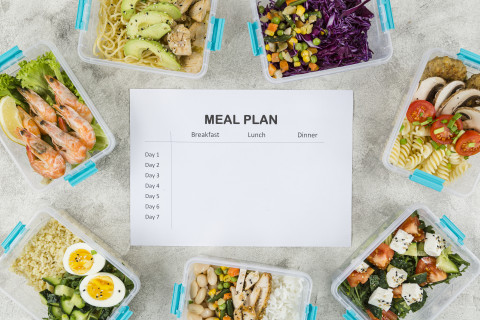

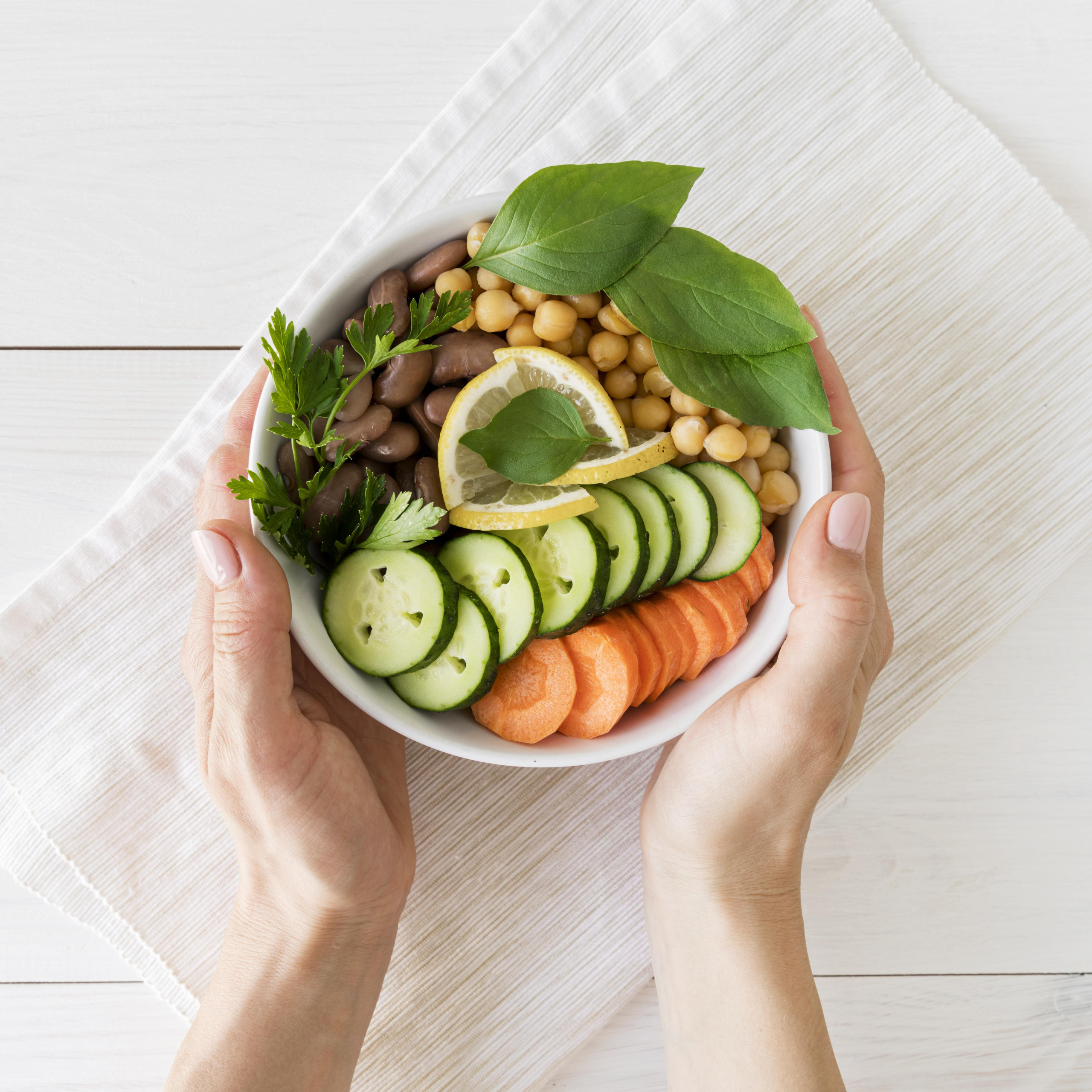
Losing weight doesn’t mean starving yourself or cutting out your favorite foods—it means making smarter, balanced choices that support your metabolism, satisfy your hunger, and fuel your day. A good weight loss meal plan isn’t about extremes—it’s about consistency, portion control, and whole-food nutrition.
What Makes an Effective Weight Loss Meal Plan?
A successful meal plan for weight loss:
-
Creates a calorie deficit without sacrificing nutrition
-
Prioritizes high-protein, high-fiber meals to keep you full longer
-
Minimizes processed foods, sugars, and empty calories
-
Focuses on simple, prep-friendly recipes you’ll actually stick to
-
Offers flexibility so you don’t feel restricted
Sample 1-Day Weight Loss Meal Plan (1,500–1,600 Calories)
Breakfast
– 2 boiled eggs
– 1 slice whole grain toast
– ½ avocado
– Green tea or black coffee
Lunch
– Grilled chicken salad with mixed greens, tomatoes, cucumbers, olive oil & lemon dressing
– Small apple
Dinner
– Baked salmon (or tofu)
– ½ cup quinoa
– Steamed broccoli & carrots
Snack Options (choose 1-2)
– Greek yogurt with berries
– A handful of almonds
– Baby carrots with hummus
Weight Loss Grocery Staples
-
Lean proteins: chicken breast, fish, tofu, legumes
-
Whole grains: oats, quinoa, brown rice
-
Fruits & veggies (fresh or frozen)
-
Healthy fats: olive oil, nuts, avocado
-
Spices, herbs, and low-calorie flavor boosters (lemon, vinegar, garlic)
Tips for Weight Loss Success
-
Meal prep ahead to avoid last-minute temptations
-
Drink plenty of water—often, hunger is just dehydration
-
Track progress with apps like MyFitnessPal, Lose It!, or Yazio
-
Eat slowly and focus on hunger cues
-
Allow occasional treats to avoid binge cycles