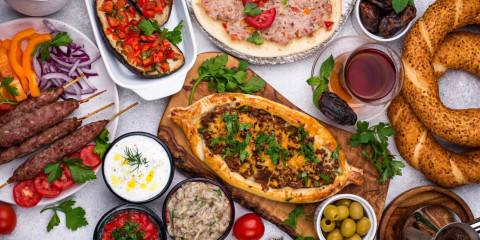

Halal food isn’t just about dietary restrictions—it’s about trust, identity, and ethical responsibility. For millions of Muslim consumers worldwide, the halal label signifies more than just permissible ingredients; it’s a symbol of spiritual integrity and cultural respect. But what happens when that trust is shaken?
Halal = Trust, Not Just Food
A 2022 global study by Salaam Gateway found that over 65% of Muslim consumers said they were more likely to buy from brands with clear halal certification, even if they cost more. Why? Because halal isn’t just a label—it’s a promise: of religious compliance, hygiene, humane treatment of animals, and clean processing practices.
According to research published in the Journal of Islamic Marketing, the credibility of halal certification bodies significantly influences consumer decisions. Shoppers are more likely to trust halal products backed by recognized organizations like JAKIM (Malaysia), IFANCA (USA), or HFA (UK)—as opposed to vague or unverified halal claims.
What Breaks That Trust?
Studies also show that mislabeled halal products, recalls, or poor transparency have long-term effects on brand trust. In one notable case, a meat supplier falsely claiming halal certification faced backlash from both consumers and regulatory bodies—resulting in a 45% drop in sales and severe brand damage.
Research by the Halal Industry Development Corporation (HDC) emphasizes that consumers are demanding digital traceability tools, such as QR codes or blockchain tracking, to verify halal status from farm to fork.
Takeaway: Halal is a Relationship
Trust in halal is relational, not transactional. Brands that invest in proper certification, clear labeling, and ethical sourcing don’t just sell food—they earn loyalty. In a global halal market expected to reach $3 trillion by 2028, trust is the most valuable ingredient of all.